ALiAS - Building a Tech Community Rooted in Ownership

Fall 2016
A Community Born from Necessity
I was three weeks into university when I realized something was missing. The campus buzzed with tech clubs, sponsored by names everyone recognized (Mozilla, Microsoft, etc), but their calendars were filled with formals, branding events, and administrative formalities. Actual conversations about code, systems, and the open‑source philosophy were rare.
I wanted a space where computer scientists could simply build, share, and learn without hierarchy. A place where a first‑year student could sit beside someone who’d been contributing in tech for years, and both would walk away having taught each other something.
Inception
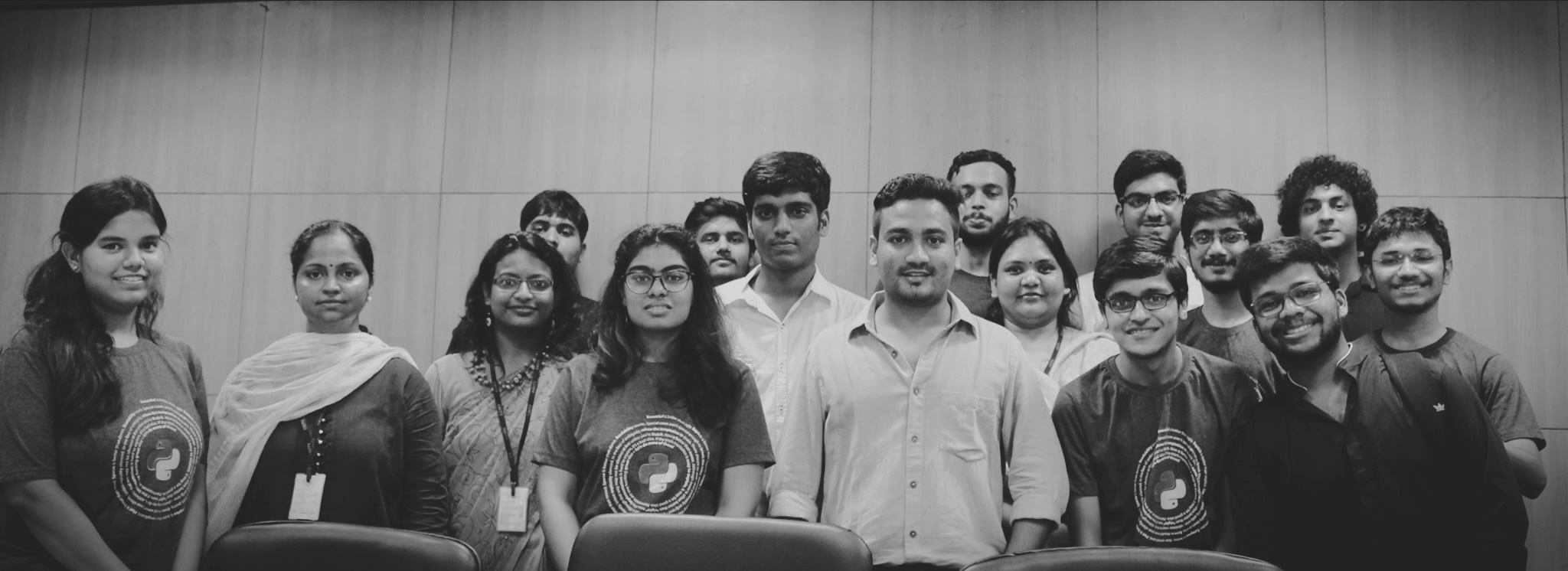
In ALiAS, what mattered first was the gathering. A few of us began meeting in empty classrooms, running installation fests, and talking late into the evening about kernels, pull requests, and why open source mattered. Shyam Saini and Shivam Rajput were there from the earliest conversations, confirming I wasn’t alone. Over the next few months, others joined, each drawn by the same hunger for genuine technical community.
This is how ALiAS, Amity Linux Assistance Sapience, was born. A name that captured the identity we were creating for tech enthusiasts who believed in open source, accessibility and exploration.
From those small beginnings, ALiAS grew into something larger than any of us expected. But the foundation was always the same: a flat, inclusive space where curiosity mattered more than credentials. Our vision was simple, to create an accessible environment where collaboration, knowledge sharing, and personal growth could happen naturally, without the barriers that often fragment student communities.
Roles and Responsibilities
A strong community needs structure to direct the immense energy sparked from enthusiasm. For this, ALiAS was designed around a flat hierarchy, deliberately avoiding rigid titles so that members could take ownership of areas aligned with their strengths. This approach allowed me to delegate strategically while ensuring that every aspect of the community received focused attention.
- Community ethos and leadership – I entrusted key members to uphold the vision in day‑to‑day decisions, providing guidance while allowing them to lead in their own style.
- Inclusivity and communication – I personally shaped the communication framework and inclusivity practices, setting the tone for how we onboarded members, handled conflict, and made sure every voice was heard.
- Technical development – I established a technical mentorship structure, pairing experienced contributors with newcomers to maintain high code quality and encourage knowledge transfer.
- Event logistics – I designed a workflow for planning and executing events, empowering members to run operations while I oversaw alignment with our long‑term goals.
- Content and documentation – I created systems for documenting our work and creating accessible learning materials, ensuring that knowledge outlived any single event.
- Outreach and partnerships – I led external engagement, connecting with industry mentors, faculty, and organizations to expand our network and bring new opportunities to the community.
⠀This structure gave each area the focused attention it needed while keeping the organization agile—and it allowed me to scale my impact by enabling others to lead within clear guardrails.
Growth and Milestones
From small workshops to large‑scale annual events like Hacktoberfest, I deliberately chose activities that would build both technical skills and a sense of shared purpose. Some of the initiatives I launched or led include:
- Monthly Linux Installation Fests – Introducing students to Linux and helping them get started with a powerful open‑source environment.
- Daily Tech Meetups – Creating a regular forum for discussing the latest technological advancements and sharing insights across the community.
- Community Calls – Establishing a rhythm of planning meetings to continually refine ALiAS’s direction and expand its reach.
- Specialized Study Groups – Organizing peer‑led groups in areas like frontend development and machine learning, with support from faculty collaborators.
- Annual Hacktoberfest events – Introducing students to open‑source contribution and helping them make their first pull requests in a supportive environment.
⠀Beyond events, I also drove the creation of a community blog—a platform for members to share technical insights and experiences, which became a key tool for building our reputation beyond campus.
These efforts did more than grow numbers; they created a culture where students felt empowered to lead their own initiatives. I made it a priority to identify emerging leaders and give them the space to run workshops, mentor peers, and eventually start their own chapters elsewhere.
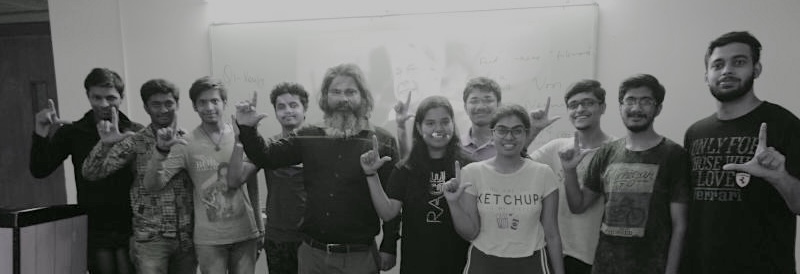
Linux Study Group with Prof. Priya Ranjan
One of the most rewarding collaborations came through Prof. Priya Ranjan, a Linux enthusiast in the Electrical and Electronics department who had been running weekend study groups for years. We began co‑organizing sessions that combined his deep technical expertise with ALiAS’s growing community of learners. His ability to explain complex systems in simple terms left a lasting mark on how I thought about teaching and mentorship.
Overcoming Challenges
No community‑building journey is without obstacles. Navigating university bureaucracy, engaging a broader student base in open‑source contributions, and addressing gaps in participation all required persistence and adaptability. Each challenge became an opportunity to refine my approach—whether it was learning how to negotiate with administrators or redesigning outreach strategies to reach students who hadn’t yet found a technical home.
Bridging Gaps
Enhancing Women’s Participation in Tech Despite our growth, the gender ratio in tech remained skewed. Of the founding members, only two of us were women, and participation reflected that imbalance. I knew that passive inclusion wasn’t enough—so I initiated targeted efforts to change the dynamic.
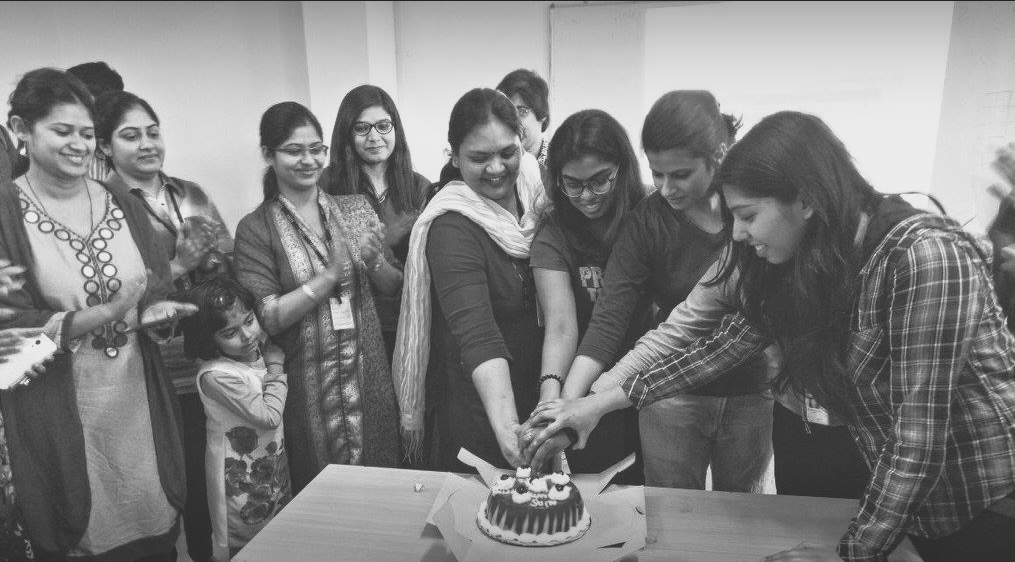
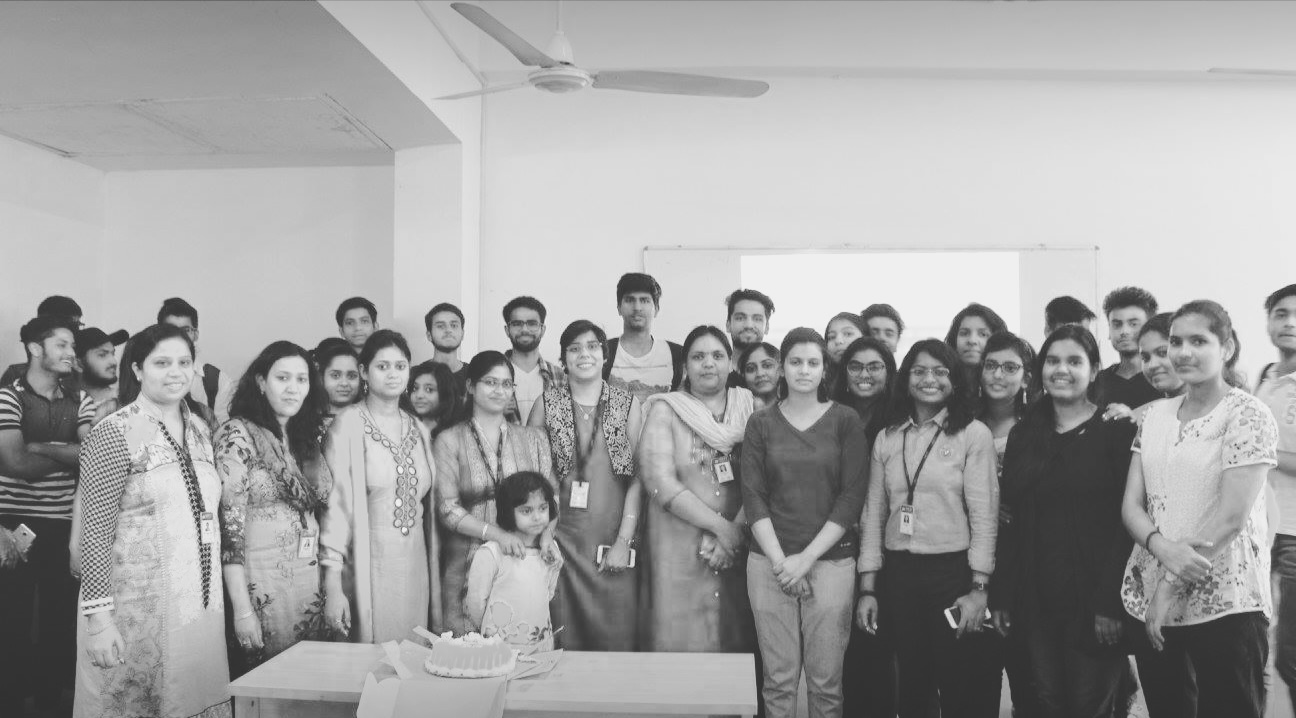
I organized workshops and events specifically designed to welcome women into tech spaces, including Women’s Day tech talks featuring prominent contributors like Shivani Bhardawaj of LinuxChix India.
Beyond events, I started a personal mentorship program where I guided women students through career choices, skill development, and navigating the tech landscape. These efforts significantly boosted female participation and, more importantly, brought diverse perspectives into the heart of the community.
 |  |
|---|
Impact
The impact of these efforts became visible in tangible ways. ALiAS was recognized as the most active tech club on campus—a distinction that carried weight when I later advocated for curriculum changes. Working with faculty and administration, I helped make the case for introducing Python into formal coursework, a change that benefited students across departments.
Expansion
The Rise of ALiAS Chapters The model we built—a flat, inclusive, student‑led community—proved replicable. When students from Amity University, Lucknow, expressed interest in starting their own chapter, I provided guidance, shared our resources, and helped them adapt the framework to their context. That first chapter became a blueprint, and soon ALiAS chapters began emerging across India, each carrying forward the same ethos of open‑source advocacy and community‑driven learning.
Looking Ahead
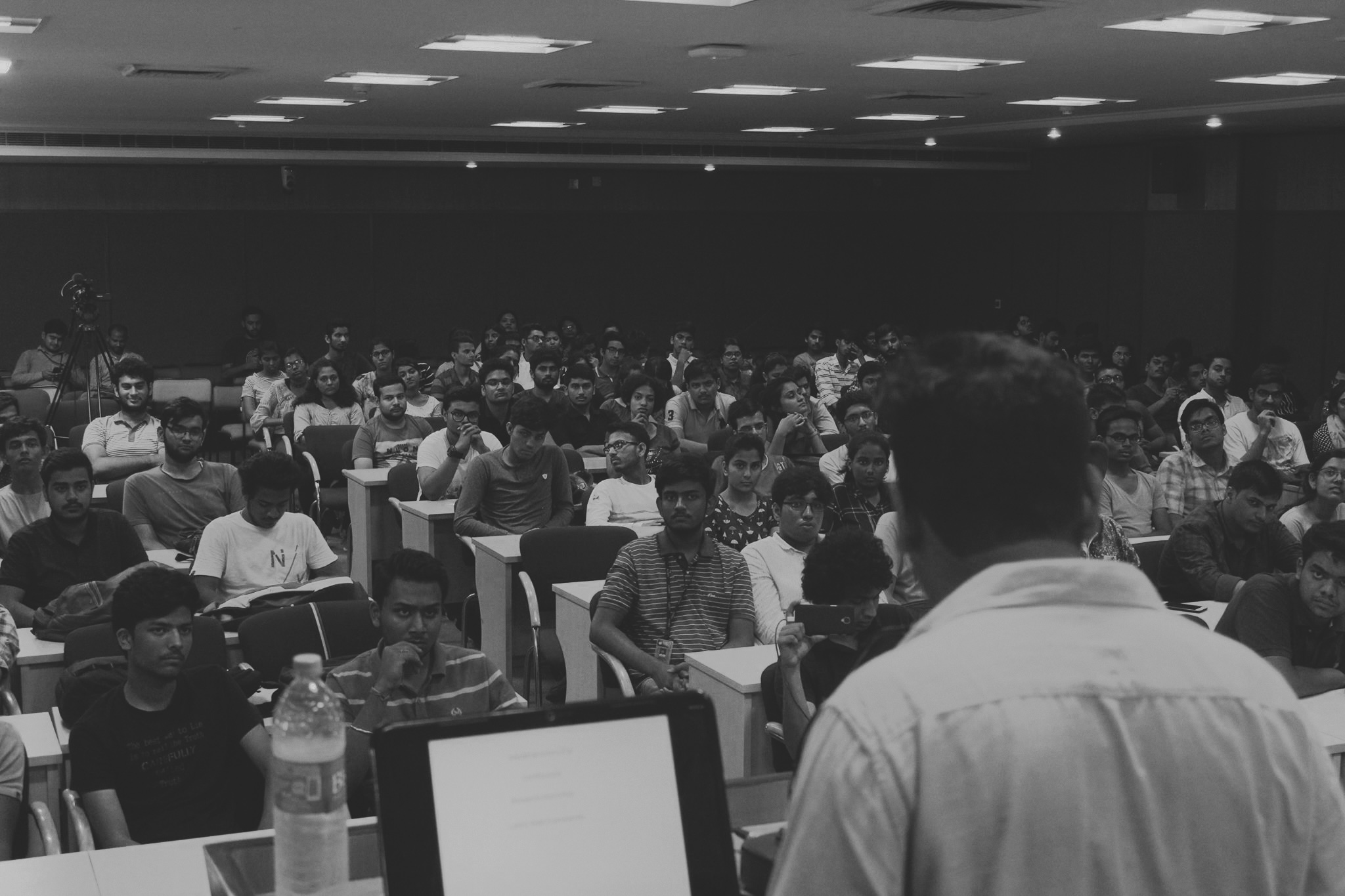
Today, ALiAS has grown to over 4,000 members across multiple chapters. Students who once attended their first installation fest now contribute to major open‑source projects, speak at conferences, and mentor the next generation. The mentorship programs I helped establish, along with initiatives like GSoC sessions, continue to guide new waves of technologists.
Reflection
Looking back, building ALiAS taught me that sustainable communities are built on clear systems, not just enthusiasm. I learned how to design structures that empower others while maintaining strategic direction—a skill I now rely on in everything I do. More than anything, I saw that when you give people ownership and hold a clear vision, they will surprise you with what they can achieve.
This journey also deepened my conviction that technology is at its best when it is collaborative, inclusive, and rooted in genuine curiosity. Those principles continue to shape how I approach problems, lead teams, and contribute to the open‑source ecosystem. ALiAS was never just a club—it was a proving ground for the kind of technologist and leader I wanted to become.