7 posts tagged with "Local Community Support"

View All Tags

Providing Aid to Local Communities With Technology

· One min read

These are projects where technology meets human necessity, and where the measure of success is its endurance after I step away. They are expressions of a single approach: identify a gap, build systems that empower, and design for the work to outlast me.

Digital Literacy - Extending Access Locally

· One min read

Technology access remains unevenly distributed. So, I’ve made it a personal commitment to help correct that imbalance—teaching the children of household staff, volunteering with NGOs, and ensuring that the communities adjacent to my own are not left behind as the world digitizes.

No formal program governs this work. It flows from a conviction that access, once earned, must be extended.

Lowering Barriers to Access Eye Assessment

· One min read

At CCFIS, I investigated whether mobile-optimized versions of eye and ear charts could increase engagement with preliminary vision and hearing assessments. This project stemmed from the question, if people could be met where they already reside,on their devices, to lower barriers to basic healthcare access?

With this we meant accessibility is seldom merely a matter of cost. It demands meeting individuals in their existing contexts, with tools that integrate into their lives rather than disrupting them.

Sustainable Infrastructure Built with Community Ownership

· One min read

When I encountered an infrastructure initiative in Jhajar district in Haryana, I recognized a familiar challenge. Villages needed inexpensive clean water and reliable energy. I spearheaded a project introducing water filtration and biogas power, but the deeper investment was in training. We focused on women homemakers, equipping them to operate and maintain the systems independently. The goal was not just cleaner water or renewable energy but a cascade: employment, self-sufficiency, and the confidence that emerges when a community controls its own infrastructure.

This work was selected as a finalist for IIIT-Delhi’s “Building Better Villages” tech event. The recognition was welcome, but the enduring outcome is the community’s continued stewardship for their own resources.

Mentoring

· 3 min read

Mentoring is the structured transfer of practical wisdom and experience to foster development.

AI Hackathon @ Berkeley​

About the initiative​

Cal Hacks @ BerkeleyCal Hacks @ Berkeley

Hackathons @ Berkeley is a non-profit organization responsible for Cal Hacks, the world's largest collegiate hackathon which annually convenes innovators to explore technological boundaries.

Contribution​

As a mentor at the AI Hackathon, I provided technical guidance and strategic feedback to competing teams, helping them refine their concepts and implement functional solutions within the event timeline.

Girl Tech Power​

About the initiative​

Girl Tech PowerGirl Tech Power

Girl Tech Power is a summer code camp at the University of San Francisco designed to empower middle and high school girls to join the tech industry. Directed by Professor Alark Joshi and funded by Craig Newmark Philanthropies, the program concludes with a visit to a Bay Area tech company, where participants meet female engineers and present their final projects.

Contribution​

As a Girl Tech Power leader, I directed initiatives to teach middle and high school girls foundational Python coding, with a final project of building a functional game. To build community, each class concluded with Disney trivia. Participant feedback highlighted the supportive environment and the valuable technical skills acquired.

GTP 1GTP 2
GTP 3GTP 4

Exercism​

About the organisation​

ExercismExercism

Exercism is an online, open-source, free coding platform designed to help enhance coding skills through practice and mentorship on 70 programming languages and 5989 coding exercises.
7.3K stars. 4.9K followers.

Contribution​

As a mentor, I provided feedback and answered questions to help students improve their coding skills in Python and JavaScript, and learn new programming concepts.

ALiAS - Amity Linux Assistance Sapience​

About the organisation​

ALiASALiAS

ALiAS is a student-led organization cum tech community that fosters open-source culture, the use of Linux and the culture of hacking and sharing.

Contribution​

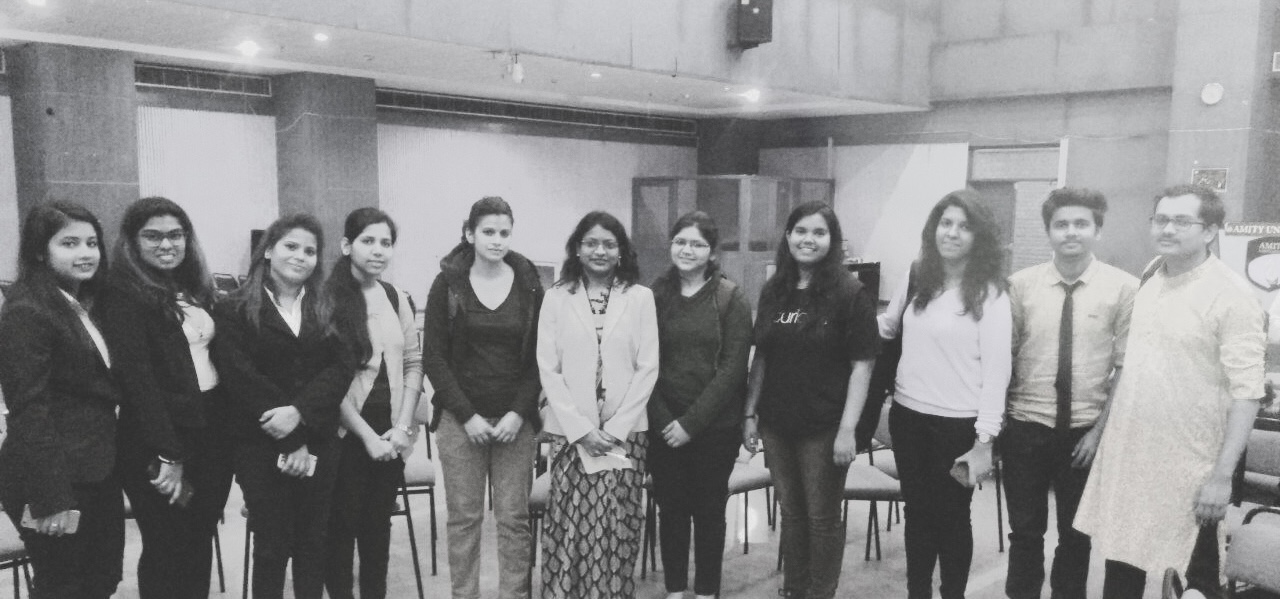
As President and a founding member, I guided newcomers through the contribution process, organized weekly meetings, led technical sessions, and established study groups. I also founded the 'Women in Tech' initiative, organizing workshops and events to promote greater participation in the industry.

ALiAS 1ALiAS 2

Open GIS Project - Making Data Accessible

· 3 min read

Real-Time GIS Framework for Yamuna's Environmental Monitoring​

Institution: Amity University, Noida, India
Advisor: Madhuri Kumari, Nitasha Hasteer
GIS GUI Image

Project Description​

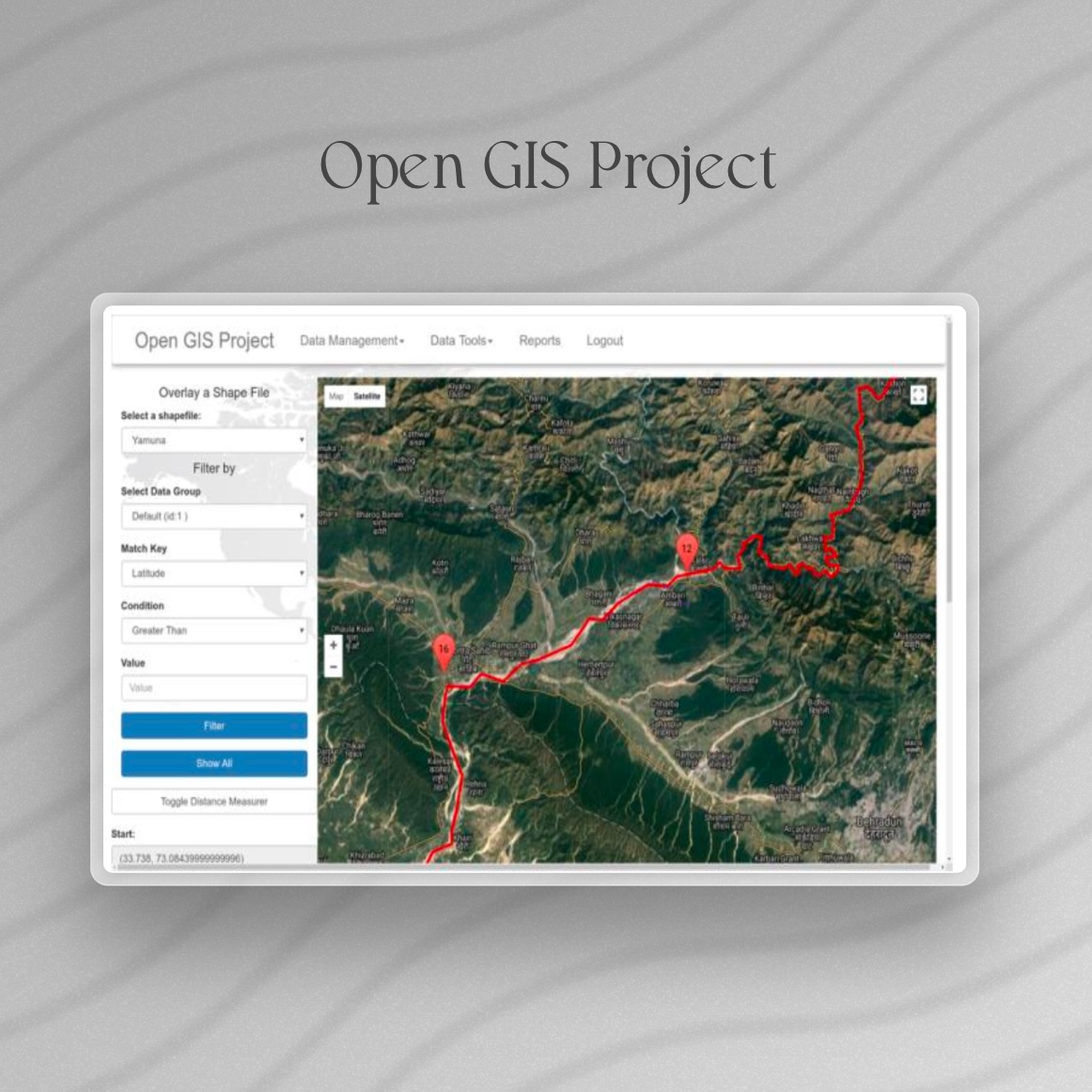
Environmental policy suffers when data remains inaccessible to convey its own problems. Under Dr. Madhuri Kumari’s guidance, I teamed up with ALiAS members and developed a GIS-based web framework for real-time river pollution monitoring—built on open-source tools to ensure transparency and adaptability.

The platform delivers critical data to stakeholders across the Government of India, equipping environmental researchers with the evidentiary foundation needed to advocate for policy reform. The same ethos that guided ALiAS—open knowledge, accessible infrastructure—applies as urgently to river systems as to codebases.

Overview​

Developed a robust web-based Geographic Information System (GIS) leveraging open-source technologies to monitor environmental phenomena, such as river pollution levels. The solution integrates spatial data management across various geographic locations, providing a scalable and intuitive tool for environmental researchers and decision-makers.
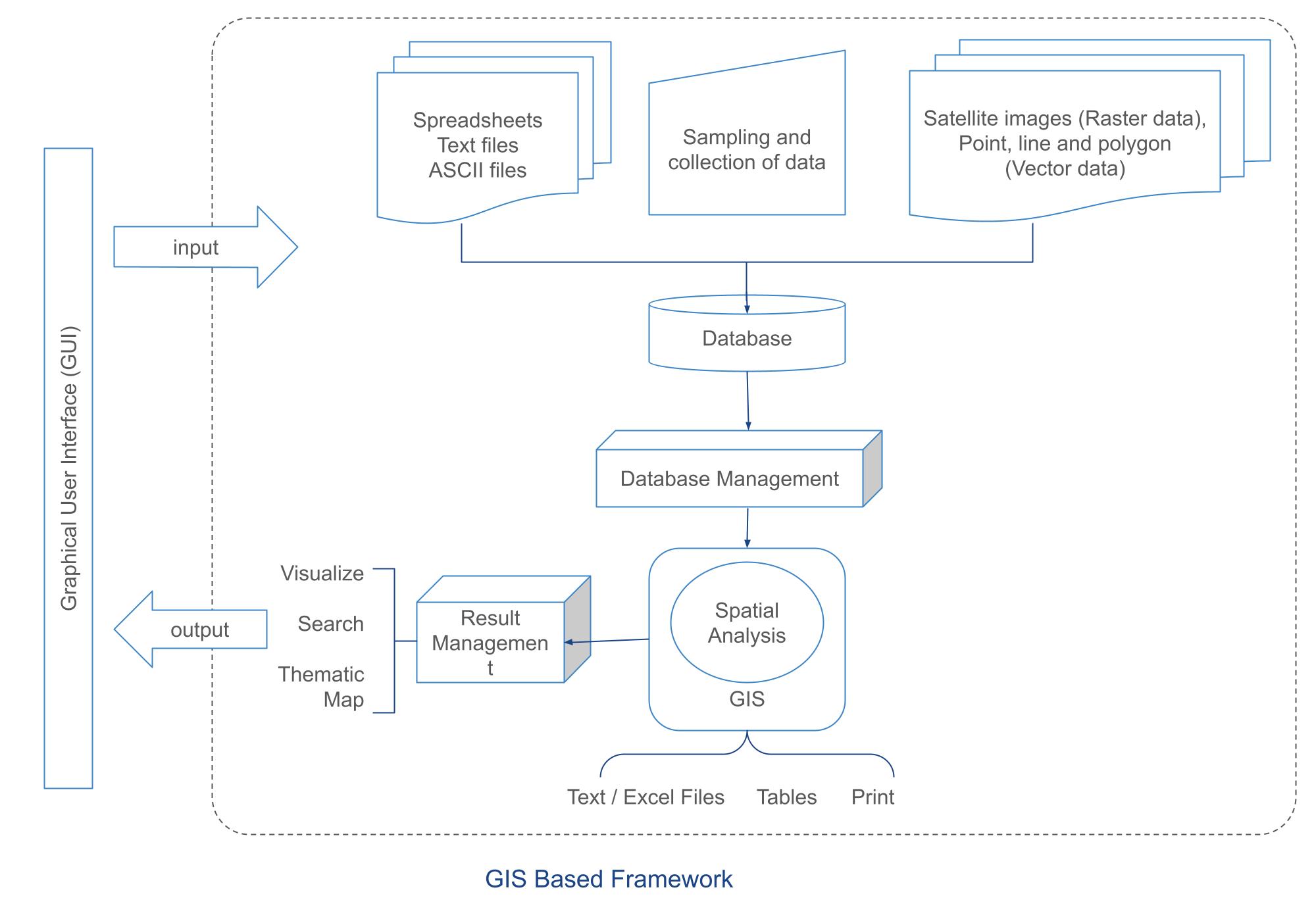
GIS Framework Diagram

Objectives​

  • Facilitate the real-time visualization and management of environmental data.
  • Employ cost-effective, open-source tools to ensure wide accessibility and adaptability.

Comprehensive Technology Stack​

  • Frontend: HTML, CSS, JavaScript, AJAX, jQuery, Bootstrap
  • Backend: Django, used for handling API requests, data management, and server-side logic.
  • Database: PostgreSQL, for secure and scalable data storage.
  • GIS Tools: QGIS, SAGA GIS for spatial data analysis and management.
  • Data Analysis and Visualization: Pandas for data handling and manipulation, Google Charts for creating dynamic, interactive graphical representations of data.

System Architecture​

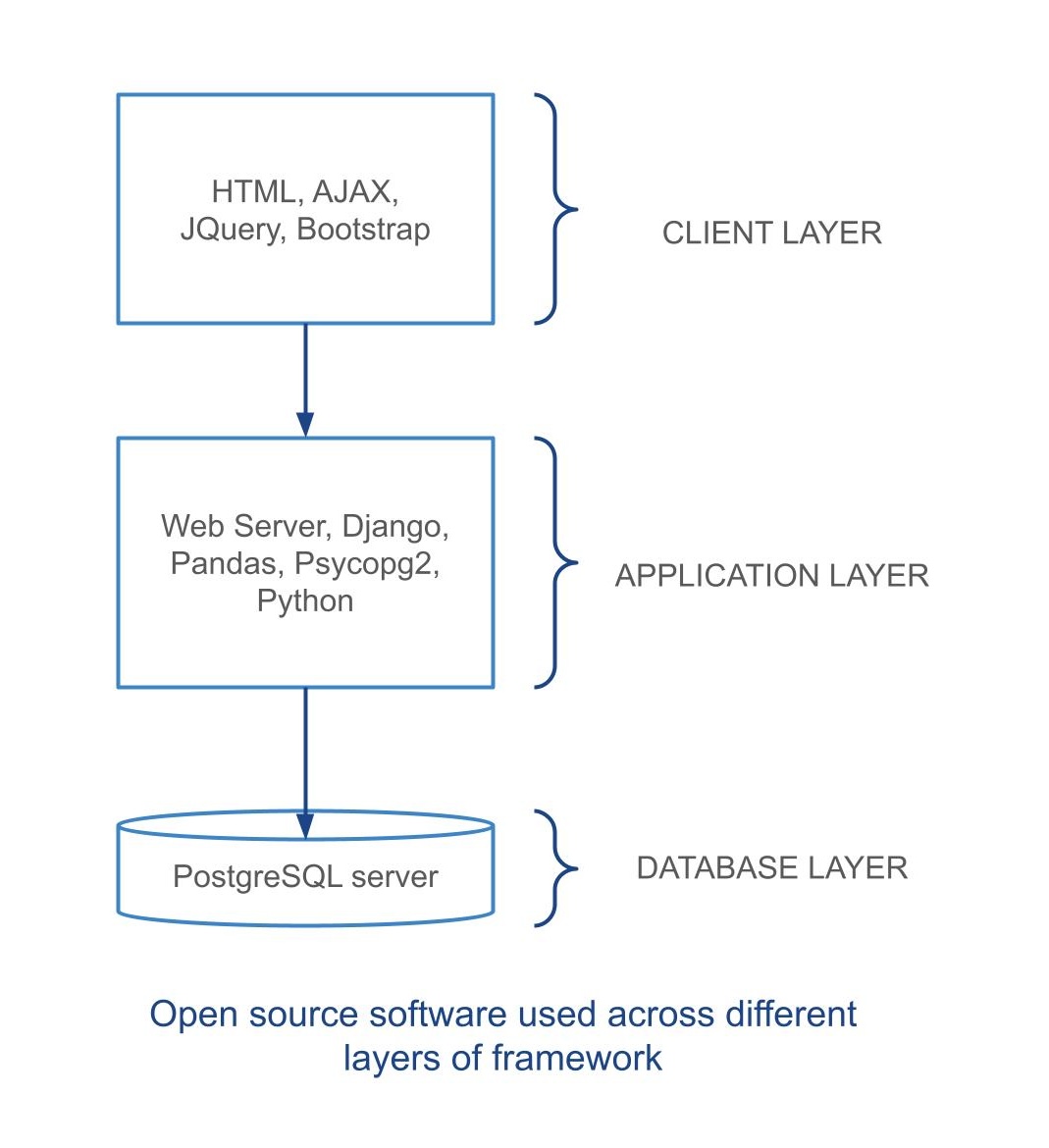
The architecture is structured into three layers:

  • Client Layer: Employs AJAX and jQuery for responsive user interactions and real-time data updates.
  • Application Layer: Django serves as the backbone, managing authentication, database interactions, and API integrations.
  • Database Layer: Utilizes PostgreSQL to manage both spatial and non-spatial data efficiently.

Application Layer Diagram

Key Features and Innovations​

  • Dynamic Data Visualization: Interactive maps and graphs allow for comprehensive analysis and reporting of environmental data.
  • Advanced Data Management: Supports multiple data formats and facilitates seamless data input and manipulation through a well-designed GUI.
  • Enhanced User Experience: Features such as map zooming, shapefile overlaying, and real-time filtering enhance user interaction and data accessibility.
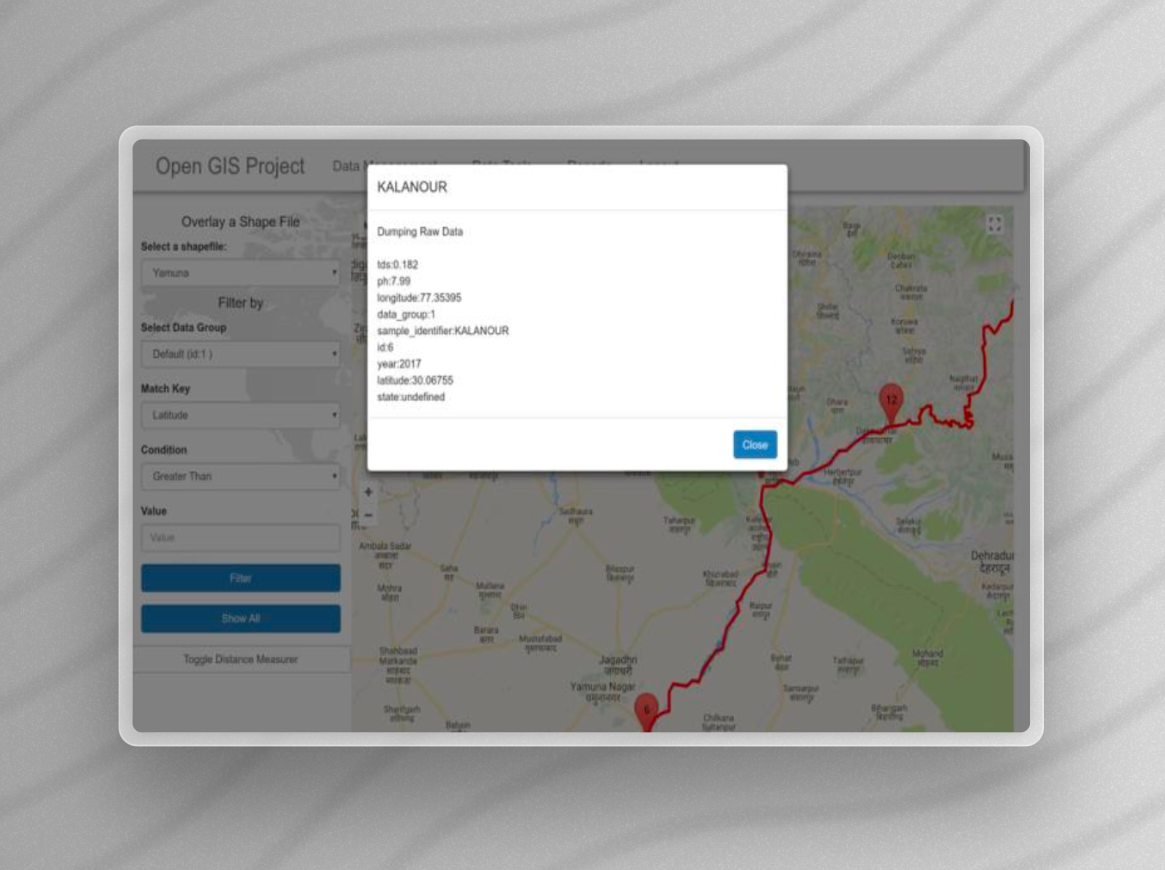
GIS GUI Image

Impact and Significance​

This project supports critical environmental initiatives, such as the monitoring and management of river pollution. By leveraging advanced GIS capabilities and open-source technologies, the framework aids in making informed decisions that significantly impact community health and environmental preservation.

Conclusion​

This GIS framework demonstrates the power of integrating open-source technology with advanced data analysis tools to address environmental challenges. It is a pivotal solution for researchers and policymakers aiming to enhance environmental monitoring and decision-making processes.

3. Reclaiming the Fertility Journey

· One min read

Rita Pod AI

Rita pod AI​

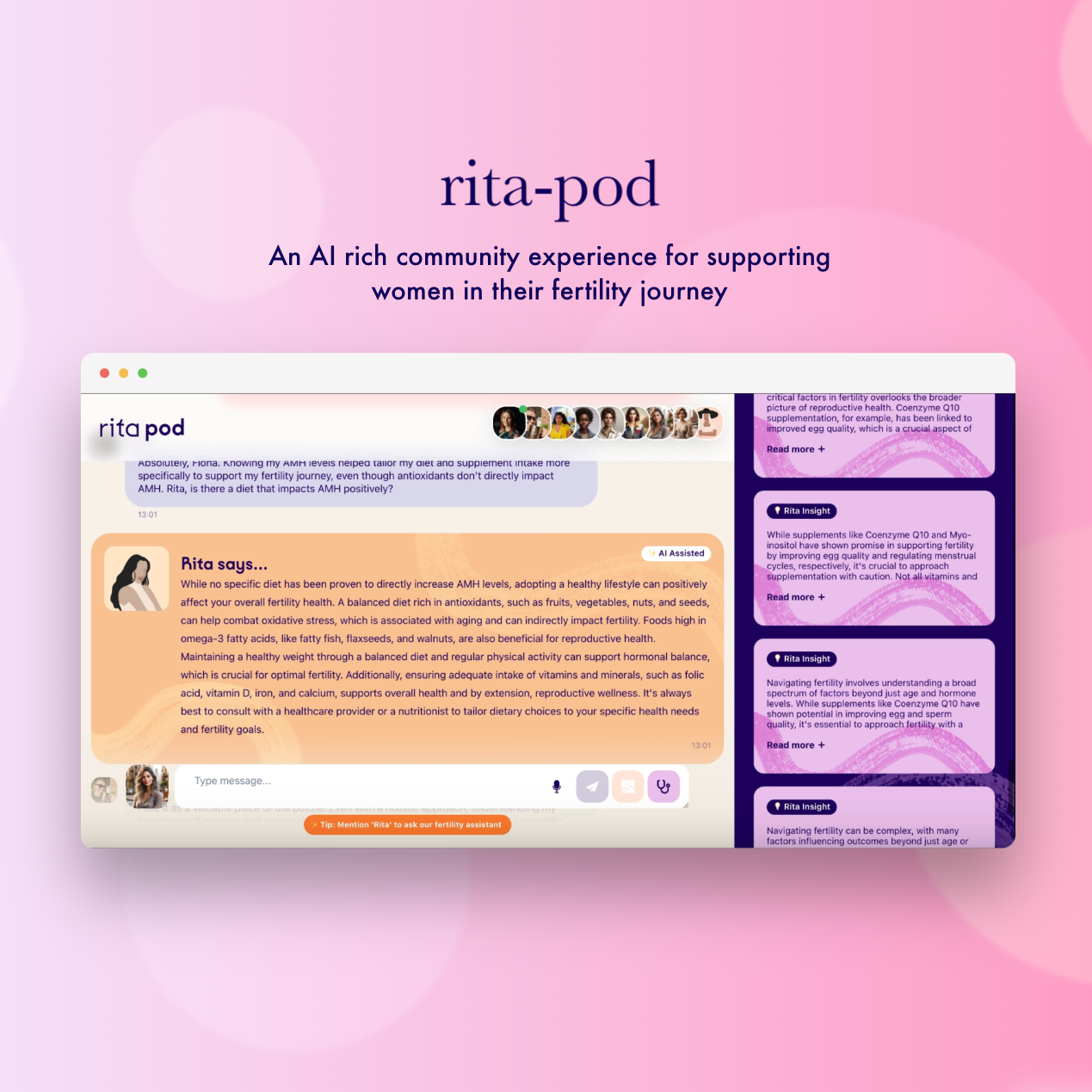
Fertility care is often isolating and a driving question to solve this issue was - how might we make an inherently isolating process feel communal? At the South Park Commons Hackathon, sponsored by OpenAI, I collaborated with Kamily Staryga (CEO, Rita Health) and Simran Kaur (ex-Meta PM) to construct an alternative - Rita Pod, a platform that reframes fertility support as a community-driven experience.

We fused AI with medically validated assessments to connect women in need of care to navigate similar stages. To address the loneliness and confusion that permeate fertility journeys, it featured real-time misinformation correction, voice input, emotional recognition, and personalized peer support.

Loom | Rita AI Website